
Boxing PPV Events: Betting on the Biggest Cards
 Available in US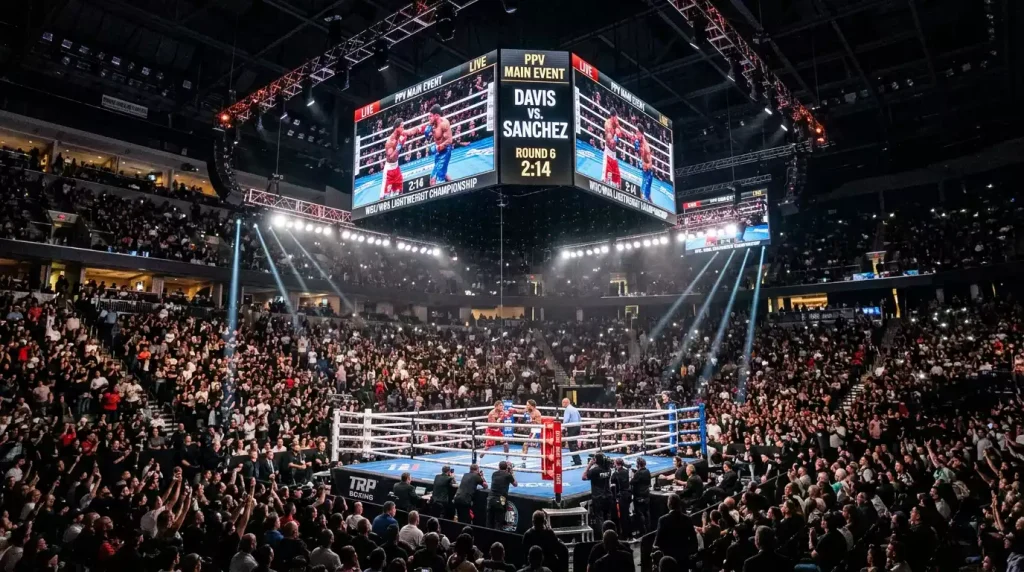
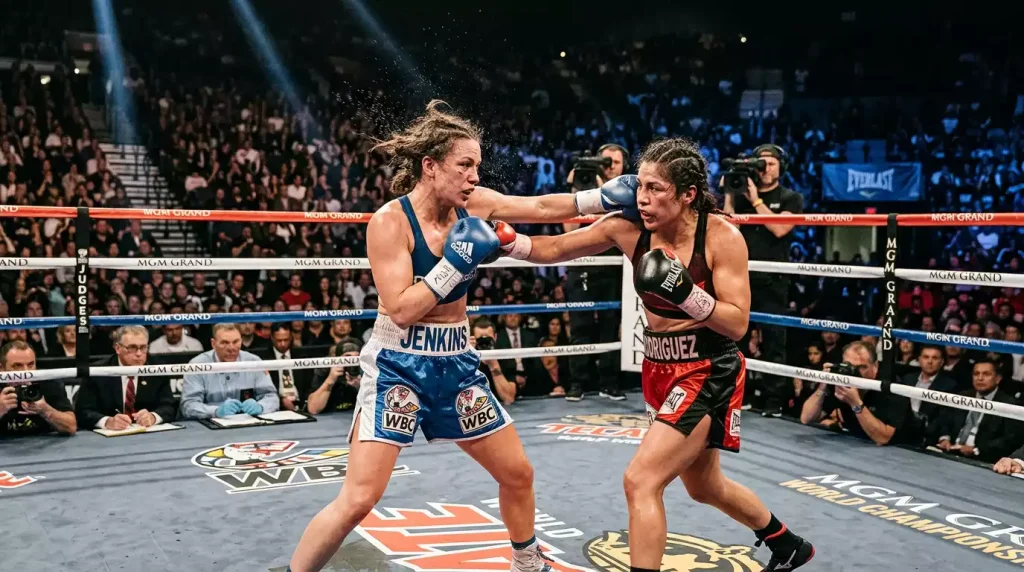
Pay-per-view nights are when boxing betting reaches its highest pitch. The undercard fights begin in the early evening, the main event lands after midnight UK time, and somewhere between the first bell and the last, more money flows through boxing markets than on any other night of the year. I have covered every major PPV card for the past decade from a betting perspective, and the dynamics of these events are unlike anything else in the sport. The prices move differently, the public money arrives in waves, and the opportunities for disciplined bettors are both larger and more fleeting than on a standard fight night.
Why PPV Cards Create Unique Betting Markets
A regular boxing card at York Hall draws a few hundred bettors and modest market depth. A PPV headlined by a genuine superstar draws millions. That difference in volume changes everything about how the market behaves. Bookmakers open their odds weeks in advance for PPV events, and the early prices reflect a combination of statistical modelling and commercial positioning — they want to attract balanced action on both sides. As the fight week arrives and promotional hype intensifies, casual money floods in.
This casual money is overwhelmingly one-directional. It backs the favourite, the bigger name, the fighter with the better highlight reel. The UK generates approximately 290 million individual online bets per month, and the proportion of those placed by recreational bettors spikes dramatically around marquee PPV events. The result is predictable: the favourite’s price shortens beyond what the underlying probability justifies, and the underdog’s price drifts longer, creating a window of value that did not exist when the market opened.
I learned to time my bets around this pattern. For favourites, I bet early — before the public money compresses the price. For underdogs, I bet late — after the public money has inflated the value. This is not a guaranteed strategy, but over a sample of fifty-plus PPV events, the timing differential has added roughly 4% to my long-term return on investment compared to betting at random points in the pre-fight window.
Undercard Fights as a PPV Betting Goldmine
Everyone watches the main event. Fewer people study the undercard. That asymmetry is where the money lives. PPV undercards are stacked with competitive, meaningful fights — title eliminators, rising contenders, grudge matches — but they receive a fraction of the analytical attention that the headline bout attracts. Bookmakers know this and price undercard fights with wider margins, knowing that the volume of sharp money scrutinising those odds is lower.
My approach to PPV undercards is systematic. I begin my analysis the moment the card is announced, usually four to six weeks before fight night. Each undercard bout gets the same scrutiny I give the main event: film review, statistical comparison, stylistic breakdown, and an assessment of each fighter’s recent form, training camp reports, and any weight-making concerns. Boxing has 350 million fans worldwide, but only a small fraction of them dig into undercard tape with any discipline. The bettors who do that work consistently find edges that the headline-chasing majority overlooks.
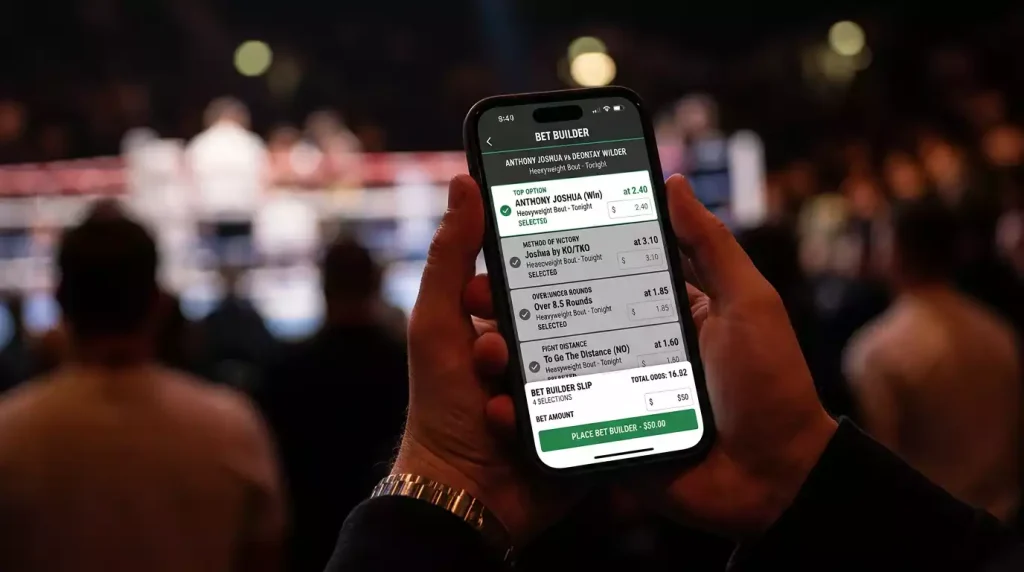
One undercard angle I look for specifically on PPV nights is the “house fighter” effect. Promoters building a prospect will place them on a high-profile card to gain exposure, often against an opponent selected to make them look good. These fights tend to be priced accurately — the favourite usually wins — but the method of victory market frequently misprices the outcome. A prospect with knockout power facing a durable but limited opponent will often win on points rather than by stoppage, because the opponent has been chosen specifically for their ability to survive. Backing the decision at enhanced odds in these situations has been one of my more reliable PPV strategies.
Live Betting Dynamics on PPV Night
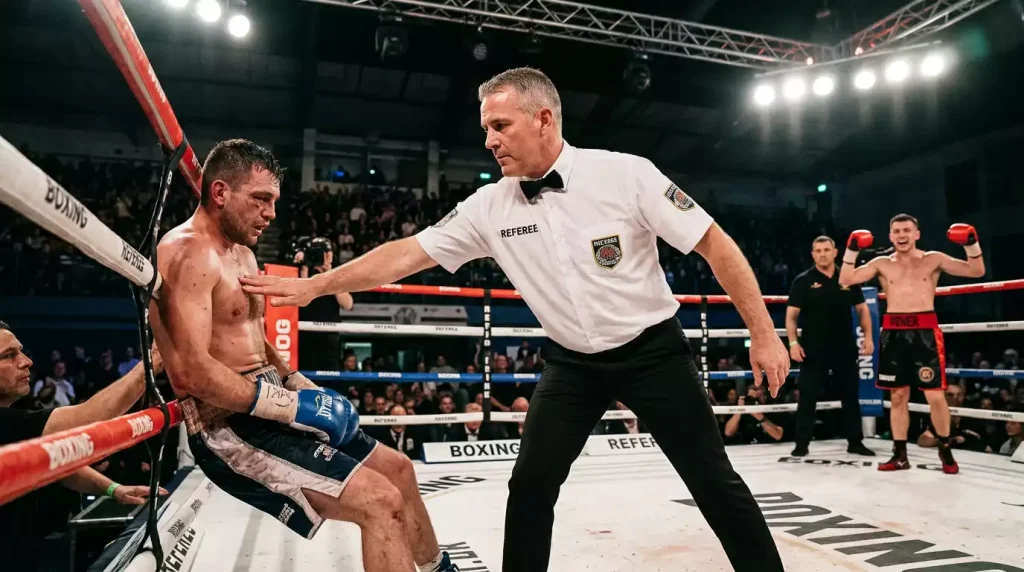
Live betting during a PPV event is an exercise in managing information overload. The crowd noise is deafening. The commentary is biased. Social media is flooded with opinions from people who have watched three fights in their lives. Every knockdown triggers a wave of emotional bets that distort the in-play market for thirty to sixty seconds before rational pricing reasserts itself. Those sixty seconds are where the value sits — and where the traps lie.
The 25% increase in customer engagement that live streaming has delivered to UK betting operators is magnified on PPV nights, when the audience is at its largest and most emotionally invested. In-play odds for boxing move in step-function jumps rather than smooth curves. A round where the favourite dominates compresses their price. A round where the underdog lands something significant causes a spike in the opposite direction. The challenge is distinguishing between a genuine momentum shift — a fighter who is hurt, tired, or losing confidence — and a single flashy moment that changes nothing about the likely outcome.
I use a simple framework for live PPV betting. I score each round independently using the 10-9 system, just as the judges do. If my scorecard diverges significantly from the in-play odds — if I have the fight closer than the market does, or wider — that divergence signals a potential bet. The in-play market is driven by visual drama: a knockdown, a cut, a crowd reaction. My scorecard is driven by clean punching, ring control, and effective aggression. When those two assessments disagree, one of us is wrong, and over time I trust my scorecard more than I trust a market moving on emotion.
Structuring Your PPV Betting Portfolio
A PPV card typically features five to eight fights across four to five hours. That is a lot of potential action, and the biggest mistake I see bettors make on PPV nights is treating every fight as a mandatory bet. It is not. My best PPV results have come from cards where I bet on three fights and sat out five, rather than spraying small stakes across the entire card for the sake of having something riding on every bout.
I structure my PPV betting in three tiers. The first tier is my highest-conviction bet — usually one fight where my analysis diverges most sharply from the market price. This gets my largest stake, typically 3% to 5% of my monthly bankroll. The second tier includes one or two bets where I see moderate value, staked at 1% to 2%. The third tier is a single speculative play — a draw, a specific round finish, a method of victory bet at long odds — staked at no more than 0.5%. This structure ensures that my capital is concentrated where my edge is strongest, rather than diluted across fights where my analysis is indistinguishable from the market consensus.
The discipline required is real. Sitting out a fight on a card you are watching live, with friends asking who you fancy and the in-play market flashing on your screen, demands a kind of selective engagement that goes against every instinct. But the alternative — betting on fights where you have no edge because the event is on and you are watching — is exactly the behaviour that transfers money from recreational bettors to bookmakers. Understanding how to compare odds across bookmakers before fight night helps identify which fights offer genuine value and which are priced efficiently enough to skip.
Articles
Prepared by the RINGWAGER editorial staff.
