
Heavyweight Boxing Betting: Big Punches, Bigger Markets
 Available in US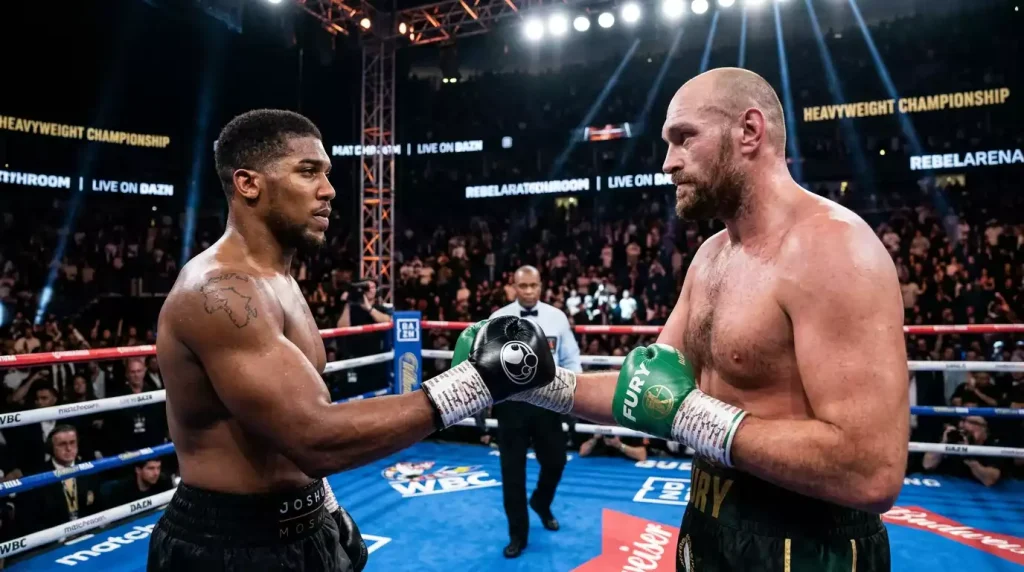
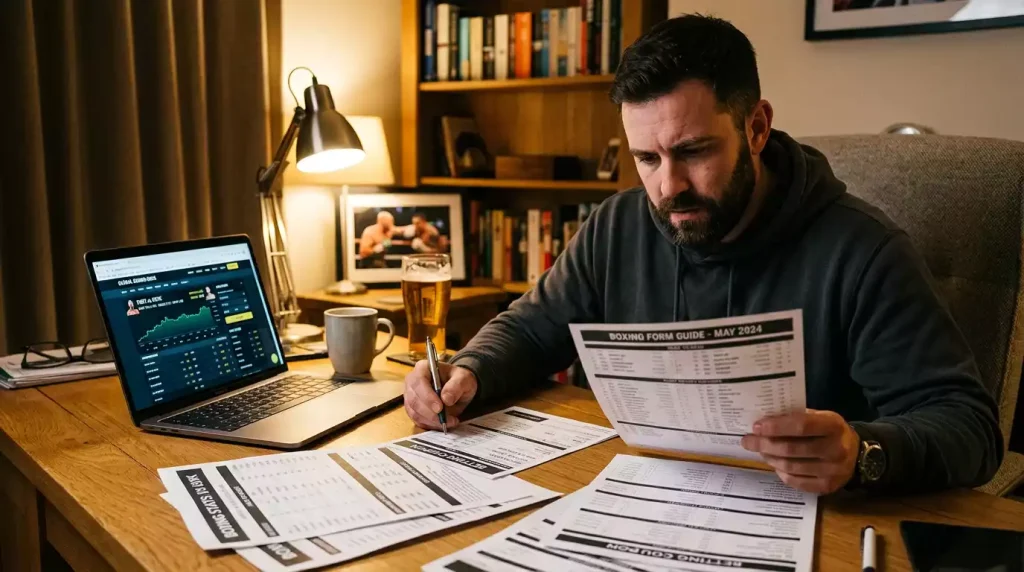
The first heavyweight fight I bet on seriously was a disaster. I had done meticulous analysis — film study, punch stats, style matchup — and concluded that the technically superior fighter would outbox his opponent over twelve rounds. He did, for four rounds. Then he got clipped with a right hand he did not see, hit the canvas, and never recovered. My analysis was correct about everything except the one variable that makes heavyweight boxing unique: any fighter in the division can end any fight with a single punch. That reality changes every aspect of how you should bet heavyweights, and learning to embrace the chaos rather than fight against it is what turned my heavyweight record around.
Why Heavyweights Are the Most Volatile Division to Bet
Roughly 60% of heavyweight fights end inside the distance. Compare that to welterweight at around 40% or featherweight at 35%, and the scale of the difference becomes clear. Heavyweights carry knockout power from the opening bell to the final round — a tired heavyweight can still generate enough force to finish a fight with a single clean shot. That ever-present knockout threat compresses the odds. A heavyweight fight where one fighter is clearly more skilled than the other might still be priced at 1/2 rather than 1/5 because the bookmaker knows the less skilled fighter carries equalising power. At lower weights, the same skill gap would produce odds of 1/6 or shorter because the knockout escape route barely exists.
The global boxing betting market, valued at 4.5 billion dollars, generates its highest single-fight volumes on heavyweight title bouts. Those fights attract casual money — bettors who watch one or two heavyweight events per year and bet based on name recognition, physique, or promotional narrative. That casual money inflates favourites and creates systematic underdog value in the heavyweight division specifically. I have tracked my heavyweight underdog bets over five years, and the return on investment is roughly 14% — substantially higher than my underdog returns in any other division. The casual money concentration is the reason.
Style Matchups That Define Heavyweight Outcomes
At a dinner a few years ago, a friend who bets football asked me why I spend so much time studying boxing styles when the heavyweight division “is just about who hits harder.” I asked him to explain why Tyson Fury — not the hardest puncher in the division — kept beating fighters with more stopping power. He could not. The answer is that style trumps power at heavyweight just as it does at every other weight, but the consequence of a style mismatch is more dramatic because one clean shot can make the better strategy irrelevant.
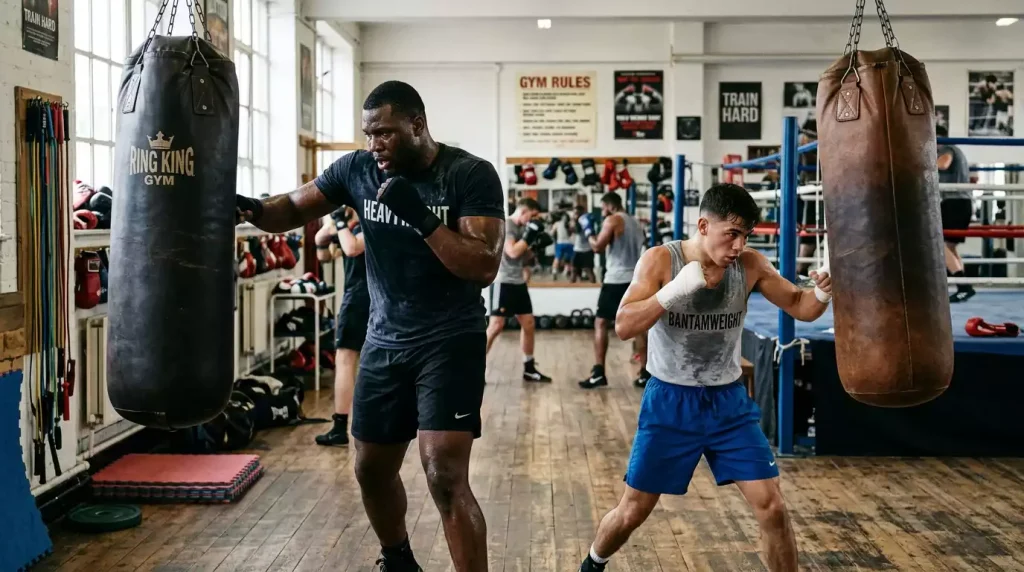
The three heavyweight archetypes that dominate modern boxing are the athletic boxer-mover, the lumbering power puncher, and the inside technician. The boxer-mover uses footwork, jab, and ring craft to stay at range and pot-shot the opponent. The power puncher walks forward behind a high guard, absorbs jabs, and waits for the chance to land something heavy. The inside technician clinches, smothers, works the body, and wins ugly rounds through grit and positioning. Each archetype has a natural counter: boxer-movers struggle against inside technicians who smother their movement, power punchers struggle against boxer-movers who refuse to stand in range, and inside technicians struggle against power punchers who can hurt them in close.
When the style matchup is neutral — two boxer-punchers of similar quality — the fight becomes unpredictable and the odds should reflect that uncertainty. A 50/50 fight at heavyweight is genuinely coin-flip territory, and the correct bet is often the underdog at anything longer than evens, because the market tends to find a reason to make one fighter a slight favourite even when the matchup does not justify it.
Pricing the Knockout: Over/Under and Method Markets
The over/under rounds market in heavyweight boxing is where I find the most consistent value. The default public assumption — heavyweights knock each other out early — is only half right. While early stoppages are more common at heavyweight than at any other weight, the distribution is bimodal. Fights either end early or go deep. The middle rounds — five through eight — produce fewer stoppages than rounds one through four or nine through twelve. The reason is pacing. Heavyweights who survive the early exchanges often settle into a rhythm through the middle rounds, with neither fighter willing to commit fully until fatigue creates openings in the late rounds.
This bimodal distribution means the over/under line is often set in the middle of the distribution — around 6.5 or 7.5 rounds — where neither the over nor the under has a clear edge. The value is in identifying which fights will follow the early-stoppage pattern versus the deep-fight pattern. Two heavy-handed fighters who both come forward and throw from the opening bell? The under is live. Two technically disciplined fighters who jab and move? The over is strong. The bookmaker’s model uses historical base rates that blend both patterns together, which means the specific matchup often offers better value than the line implies.
The UK generates 7.8 billion pounds in online gambling GGY, and heavyweight boxing events account for some of the largest single-fight betting handles. On those peak-volume fights, the method of victory market becomes particularly interesting because the casual money overwhelmingly backs KO/TKO, which shortens the knockout price and lengthens the decision price. If your analysis suggests the fight goes the distance, the decision line on a major heavyweight bout can offer extraordinary value because the public refuses to bet on a boring outcome.
The Heavyweight Calendar and When the Value Window Opens
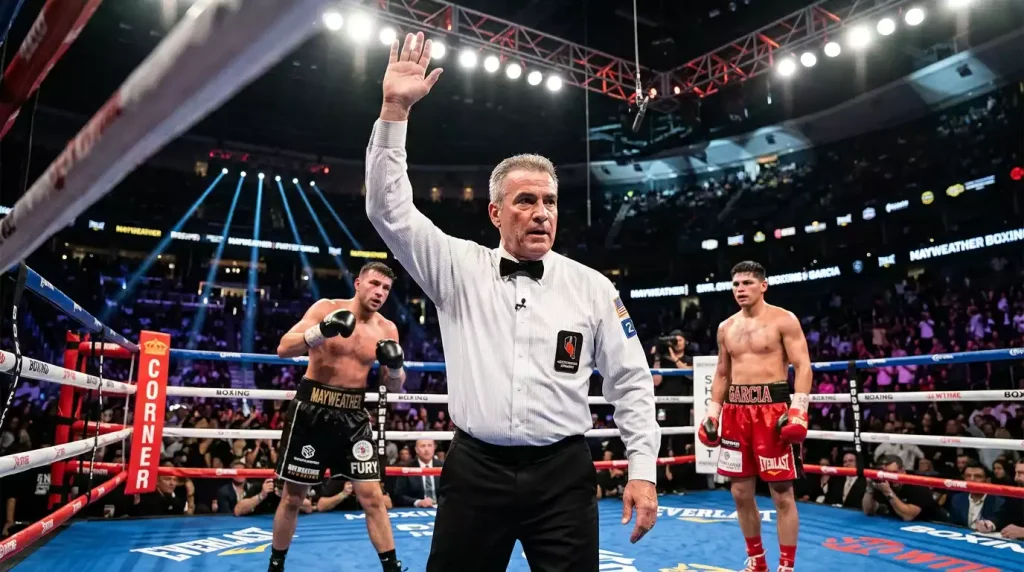
Major heavyweight fights happen four to six times per year on the UK boxing calendar. Between those events, the betting landscape is quieter but not empty. Heavyweight prospects fighting on undercards, contender eliminator bouts, and international title fights offer betting markets with thinner liquidity and less efficient pricing. I allocate my analytical time across the full calendar rather than concentrating only on the headline events. The big fights generate the most excitement but also the tightest odds. The smaller fights generate less attention and wider pricing errors. For a broader understanding of how different round betting markets function across the heavyweight division, the timing of stoppages at this weight creates specific opportunities that the round betting guide addresses in detail.
Articles

Written by the editors at RINGWAGER.
