
Title Fight Betting: Championship Bouts and Market Dynamics
 Available in US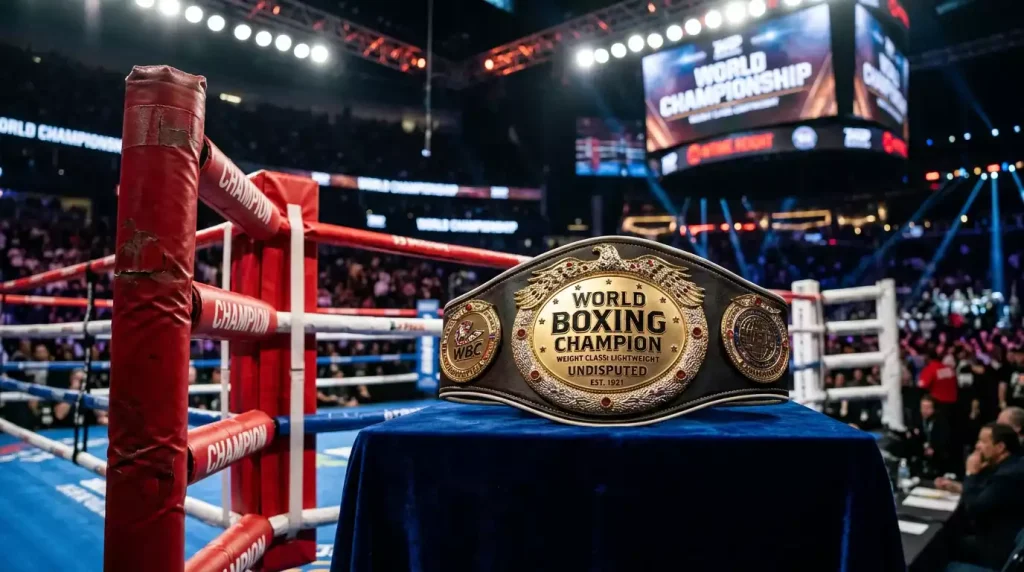
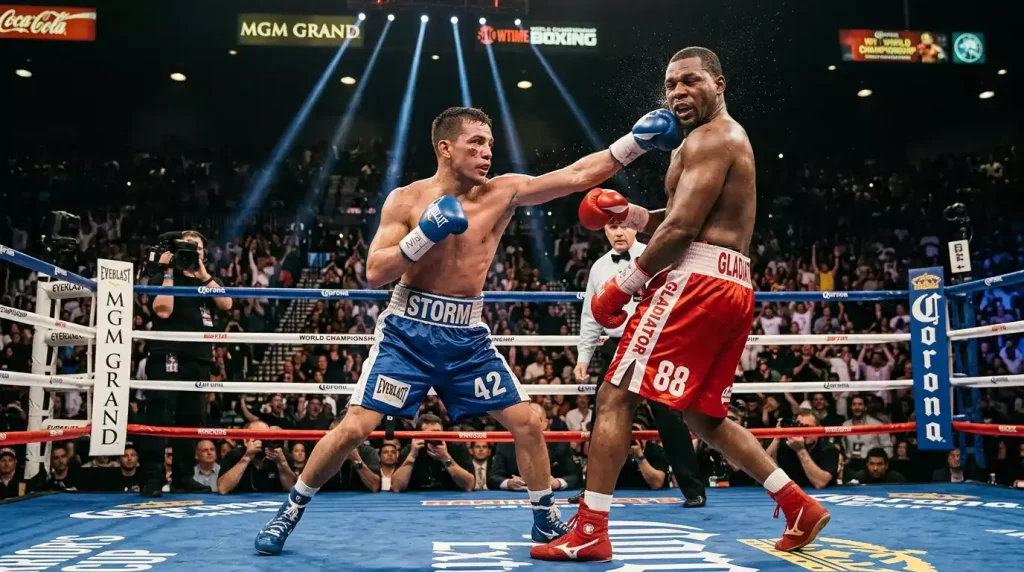
The biggest bet I ever placed was on a world title unification fight. I had spent three weeks studying film, comparing punch stats, and mapping out how each fighter’s style would interact across twelve championship rounds. I was so confident that I staked four times my usual amount. I lost. The champion landed a body shot in the ninth that I had not accounted for, and my fighter did not answer the bell for the tenth. That loss taught me something that winning never could: title fights play by their own rules, and the market knows it.
What Makes Title Fight Markets Different from Regular Bouts
Championship fights attract more money, more scrutiny, and more public attention than any other category of boxing bout. This concentration of interest creates market dynamics that do not exist in non-title fights. The odds open earlier — often four to six weeks before fight night — and they move through distinct phases as different types of money enter the market. Sharp bettors place their positions first, establishing the initial price. Recreational bettors arrive later, typically in the final week, and their money reshapes the market based on narrative rather than analysis.
Title fights are also longer. A twelve-round championship bout gives fighters more time to implement a strategy, recover from difficult rounds, and impose their will in the second half of the fight. This duration changes the probability distribution of outcomes. Knockout rates in championship fights tend to be slightly lower than in ten-round or eight-round bouts because the fighters are better conditioned, the pace is more measured, and both corners understand the importance of surviving early adversity to compete in the later rounds. For bettors, this shifts value toward decision outcomes and over-rounds totals in a way that casual punters consistently underestimate.
The global boxing betting market — valued at approximately 4.5 billion dollars and expanding at 8.1% year on year — is disproportionately driven by title fight activity. A single major unification bout can generate more betting turnover than an entire month of non-title cards combined. That liquidity is a double-edged sword: it means better odds and deeper markets, but it also means the odds are sharper and the margin for error is smaller.
The Four Sanctioning Bodies and How They Shape Betting Value
Boxing has four major sanctioning bodies — the WBC, WBA, IBF, and WBO — and each runs its own championship rankings, mandatory challengers, and title defence schedules. This fragmented structure creates specific betting opportunities that do not exist in sports with a single governing body.
Mandatory challengers are where the value often hides. When a sanctioning body orders a champion to defend against a ranked contender, the champion typically faces an opponent they did not choose and may not have prepared for stylistically. These mandatories are less marketable than voluntary defences or unification bouts, which means less public money, less media coverage, and — crucially — less price efficiency. I have found consistent value in mandatory title defences because the market tends to price the champion based on their overall record and reputation rather than the specific challenge posed by the mandatory contender.
Unification bouts, where one champion fights another to consolidate belts, are the opposite. They attract maximum attention, maximum money, and maximum market efficiency. The odds in a genuine unification fight between two elite champions are typically the sharpest in boxing, and finding an edge requires deeper analysis than in any other market. The 15% General Betting Duty that UK operators pay on their gross profits does not change based on the type of fight, but the competitive pressure among bookmakers to offer attractive odds on high-profile unifications means the margins are thinner than on quieter cards.
Champion vs. Challenger Dynamics in the Betting Market
I have noticed a persistent pattern in title fight markets that surprises me every time I see the data. Champions are overvalued as short-priced favourites and undervalued as longer-priced favourites. When a champion is priced at 1.2 or shorter, the market is often giving them too much credit — their actual win rate at those prices tends to be lower than the implied probability. When a champion is priced between 1.5 and 2.5, the market sometimes underestimates the advantage of being champion, and their win rate exceeds the implied probability.
The explanation is psychological. At very short prices, casual bettors pile on the champion because the result seems inevitable, compressing the odds beyond fair value. At moderate prices, the fight is perceived as competitive, and the market slightly underweights the champion’s intangible advantages: experience of going twelve rounds, familiarity with the championship environment, the benefit of judges’ scoring tendencies in close rounds, and the simple fact that a challenger must take the belt rather than simply not lose it.
This pattern does not apply to every fight. A champion defending on the road, in the challenger’s home country, against a naturally larger opponent moving down in weight — that champion deserves to be priced as an underdog regardless of the belt. Context matters more than the title itself. But when all else is roughly equal, the champion’s edge in close fights is real and slightly underpriced in the 1.5 to 2.5 range.
Building a Title Fight Betting Strategy That Accounts for Judges
Every title fight that goes to the scorecards puts your bet in the hands of three judges, and the scoring in boxing is subjective enough to introduce meaningful variance. I once had a fighter I scored 116-112 on my card lose the fight 115-113 on two of the three official scorecards. Same fight, drastically different assessments. If you are betting on title fights that you expect to go the distance, the judging variable is not background noise — it is a primary risk factor.
Certain judging tendencies are observable. Home fighters receive favourable scoring more often than away fighters. Fighters who press the action tend to score better with judges than counter-punchers, even when the counter-puncher lands cleaner shots. Judges score late-round action more heavily than early-round action because recency bias affects their perception of a close fight. These tendencies do not guarantee outcomes, but they influence close decisions reliably enough to incorporate into your betting analysis.
My title fight approach integrates judging as a variable. When I project a fight going to the scorecards, I assign a probability to each fighter winning a decision based on their style, the venue, and the assigned judges’ historical tendencies. If I project fighter A winning a decision 55% of the time but the market prices the decision outcome at odds implying 45%, that 10% gap is where I place my bet. Understanding how boxing scoring works is not optional for title fight betting — it is the foundation of the entire decision-market analysis.
Articles
Written by the editors at RINGWAGER.
