
Using Training Camp Reports to Inform Boxing Bets
 Available in US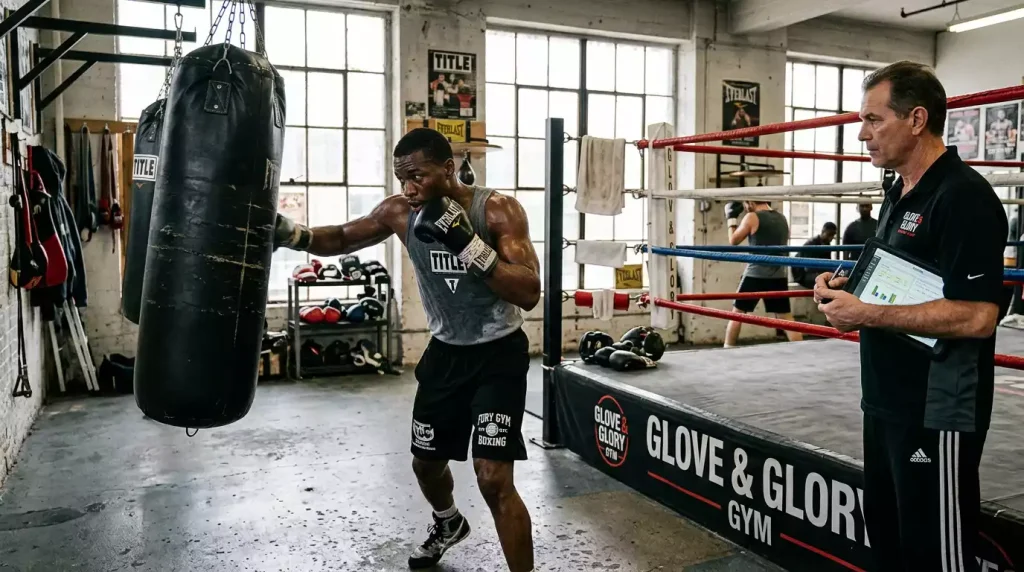
Three days before a heavyweight title fight in 2023, a sparring partner posted a twenty-second clip on social media showing the champion getting rocked by a body shot. The clip was taken down within hours, but by then the exchange market had already shifted. The champion’s price drifted from 1.4 to 1.6, and when he won a narrow decision on fight night — visibly troubled by body shots in the middle rounds — the people who had seen that clip and acted on it had secured 15% better odds than those who waited. That is the power and the peril of training camp intelligence. It is the last piece of information to enter the market before the first bell, and it moves prices.
What Training Camp Reports Actually Tell You
Every major fight generates a stream of camp reports in the weeks before the event. Trainers give interviews. Sparring partners talk to journalists. Strength coaches post conditioning updates. Social media accounts release curated footage of pad work, bag sessions, and sparring clips. The question is not whether this information exists — it always does — but how much of it is reliable, and how much is propaganda.
I divide camp intelligence into three categories. The first is physical condition: weight-making progress, injury rumours, and observable changes in body composition or movement quality. This category is the most reliable because it is the hardest to fake. A fighter who appears drawn and sluggish in open workout footage is unlikely to transform into a sharp, energised version of themselves by fight night. The second category is tactical preparation: sparring partner selection, changes in stance or style, reported adjustments to game plan. This is moderately reliable — the sparring partner choices often reveal the tactical direction, but the specific adjustments can be deliberately misleading. The third category is psychological state: confidence levels, demeanour at press conferences, reported tension within the camp. This is the least reliable because it is the most easily manufactured. A fighter who appears nervous at a press conference may simply be managing their energy. A fighter who appears supremely confident may be overcompensating for private doubts.
The 10% of the UK adult population who bet on sport regularly include a growing segment of boxing-specific bettors who track camp reports systematically. Those who filter the signal from the noise gain a meaningful pre-fight information advantage. Those who react to every rumour without verification end up chasing shadows.
Separating Signal from Promotional Noise
Promoters understand that camp narratives drive betting volume. A story about a fighter being in the best shape of their life generates headlines, social media engagement, and — critically — one-directional money from casual bettors who take the narrative at face value. I have watched this cycle play out dozens of times: the “best camp ever” story surfaces two weeks before the fight, the fighter’s odds shorten on the back of it, and on fight night the performance bears no resemblance to the promotional hype.
The tells I look for are specific and observable rather than narrative-driven. Has the fighter changed trainers recently? A mid-career switch to a new coaching setup introduces uncertainty that the market often underweights. Has the fighter’s sparring included partners who mimic the opponent’s style? If a southpaw is facing an orthodox opponent and the camp has brought in three orthodox sparring partners, that is a genuine tactical signal. Has the fighter been active on social media or unusually quiet? Disrupted patterns of public communication sometimes — not always — indicate issues within the camp that the team is working to contain.
Weight-making is the single most reliable camp indicator. A fighter who appears at open workouts looking heavy and drawn, with the weigh-in still days away, is telling you something that no press conference performance can contradict. The UK generates roughly 290 million online bets every month, and a meaningful portion of boxing-specific wagers are placed by bettors who never check a fighter’s weight trajectory. That oversight is an edge for those who do the work.
Timing Your Bet Around Camp Intelligence
Camp information enters the market in waves, and each wave moves the price differently. The earliest wave — four to six weeks out — consists of general preparation updates: the fighter is in camp, training has started, everything is on schedule. This wave rarely moves the market because it contains no differentiating information.
The second wave arrives two to three weeks before the fight and includes sparring reports, conditioning updates, and the first substantive interviews with trainers and team members. This wave can move the market significantly if the information is genuinely new. A report that a fighter has been struggling in sparring, or that an injury is being managed, or that the weight cut is ahead of schedule — these details shift the price by 5% to 15% on the exchanges within hours of becoming public.
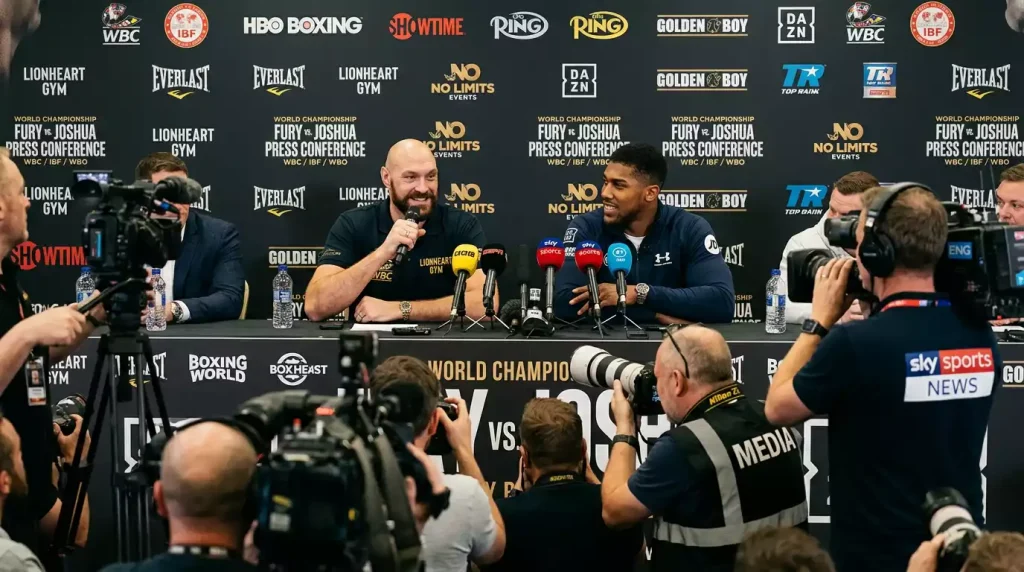
The third wave hits in fight week: the open workout, the final press conference, the weigh-in, and the morning-of-the-fight weight recovery. This is the most compressed and dramatic wave because the information is visual, immediate, and available to everyone simultaneously. A fighter who weighs in looking gaunt and dehydrated after a brutal cut sends a signal that every bettor in the market can see. The odds adjust rapidly, but if you have been tracking the weight trajectory for weeks, you were positioned before fight week even started.
My timing strategy is simple. I place 70% of my pre-fight stake based on my analysis of the matchup fundamentals, typically three to four weeks out. I hold 30% in reserve to add to the position — or hedge against it — based on camp intelligence that arrives in the second and third waves. This split ensures I capture the best available price on my primary analysis while retaining flexibility to adjust as new information surfaces. Andrew Rhodes, the UKGC’s Chief Executive, has noted that online betting patterns follow large marquee events closely, and the pre-fight information cycle in boxing creates a uniquely structured runway of betting opportunities that differs from the more compressed build-up in other sports.
Building Your Own Camp Intelligence Network
You do not need insider access to build a useful picture of what is happening in a fighter’s camp. The information is out there — it just requires knowing where to look and what to prioritise.
Start with the fighter’s social media accounts and those of their team: trainer, strength coach, nutritionist, manager. Look for patterns and disruptions. A trainer who normally posts daily updates going silent for a week may indicate a problem. A strength coach posting conditioning footage that looks markedly different from previous camps may signal a change in approach or a response to injury.
Boxing-specific journalists are the next layer. Reporters who cover camps regularly develop relationships with team members and receive information that never makes it into mainstream coverage. Follow four or five trusted boxing journalists on social media and pay attention to what they emphasise and what they omit. A journalist who describes a camp as “professional” without elaboration is often damning with faint praise. One who describes sparring as “sharp” or “brutal” is conveying genuine enthusiasm about what they have seen.
Sparring partner interviews are the richest source of unfiltered intelligence, because sparring partners have less incentive to maintain the promotional narrative. They are paid for their work in camp and have no financial stake in the fight’s outcome. When a sparring partner says the fighter is fast, strong, and focused, that carries more weight than the same claim from the fighter’s promoter. When a sparring partner declines to comment or gives a vague, non-committal answer, that silence is information too.
Combining camp intelligence with technical statistical analysis creates a pre-fight picture that is richer and more actionable than either source alone. The stats tell you what a fighter has done historically. The camp reports tell you what version of that fighter is walking to the ring on Saturday night. Both matter, and the bettors who integrate both consistently outperform those who rely on one or the other.
Articles

Prepared by the RINGWAGER editorial staff.
