
Boxing Underdog Betting: How to Spot Overlooked Value in the Ring
 Available in US
Over 350 million people worldwide identify as boxing fans, and most of them back the favourite. That is not a guess — it is a structural feature of how boxing betting markets work, and it is the reason underdog betting remains one of the most reliable edges available. The crowd follows the name, the highlight reel, the promotional hype. The market follows the money. And when the money piles onto one side, the other side gets mispriced. I have built a significant portion of my long-term profit from backing fighters the public ignores, and this guide explains how to find those opportunities before the bell rings.
Why Boxing Favourites Get Overbet
A few years back I tracked every heavyweight title fight over a twelve-month stretch and recorded the percentage of public money that landed on the favourite versus the underdog. The split was roughly 78/22 in favour of the favourite. That imbalance is not unique to heavyweights — it runs across divisions and across genders. The reason is partly psychological and partly demographic.
In the UK, 15% of men and 4% of women bet on sport. The male-dominated betting audience skews toward casual engagement with boxing, which means a large chunk of the money comes from people who know the fighters’ names but have not studied the matchup. Name recognition drives favourites. A fighter with a million Instagram followers attracts more public money than a technically superior opponent who fights on undercards in Eastern Europe. Bookmakers respond to that money flow by shortening the favourite’s odds further, which lengthens the underdog’s price beyond what the actual probabilities justify.
There is also a confirmation bias at work. When a favourite wins — which happens more often than not — bettors feel validated. When an underdog wins, they call it a fluke. Over time, this one-directional memory reinforces the habit of backing favourites, which keeps the cycle spinning. For anyone willing to bet against that cycle, the structural advantage is persistent.
The global boxing betting market is valued at 4.5 billion dollars and growing at 8.1% annually. As the market expands, more casual money flows in, and casual money overwhelmingly backs names. The bigger the market gets, the more value the underdog lane holds for disciplined bettors who do the work.
Style Matchups That Produce Upsets
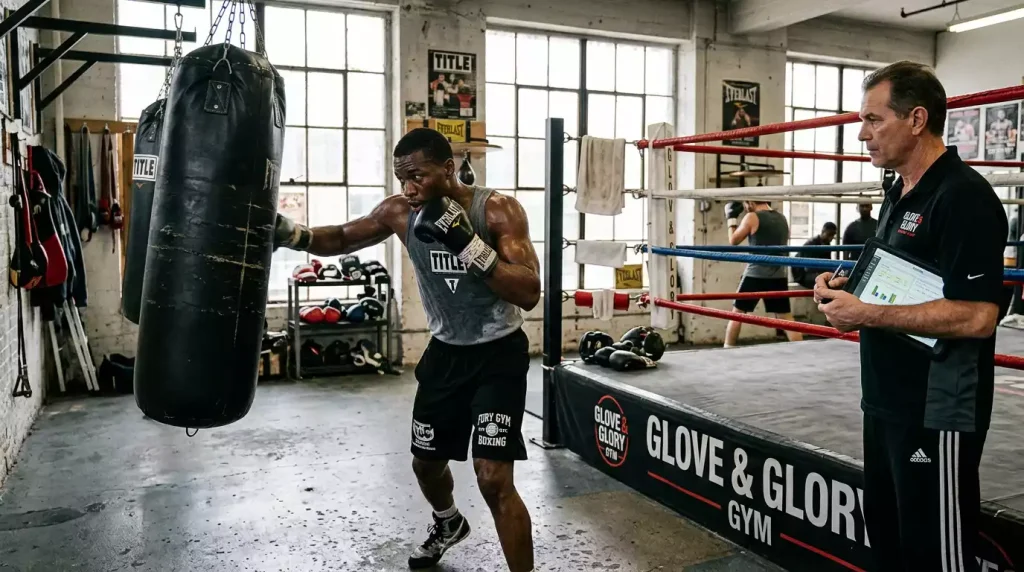
I backed an underdog at 7/1 last spring purely because of a style clash the market had ignored. The favourite was an aggressive volume puncher with a 74% finish rate — devastating against opponents who stood in front of him. The underdog was a slick counter-puncher with long arms and excellent ring craft who had never been stopped. The market priced the favourite as an overwhelming pick because of his record and his knockout ratio. What the market missed was that aggressive volume punchers historically struggle against disciplined counter-punchers who make them miss and pay for every committed attack. The underdog won a wide decision.
Certain style matchups produce upsets at higher rates than the odds imply. Pressure fighters against slick movers. One-handed power punchers against durable boxers who can absorb the right hand and outwork them in the later rounds. Orthodox fighters moving up in weight against bigger, rangier southpaws. These are not guaranteed outcomes, but they are patterns that the betting market consistently underweights because the average bettor does not think in terms of style interaction — they think in terms of records and names.
When I evaluate a potential underdog bet, I start with three questions. First, does the underdog have a stylistic attribute that specifically counters the favourite’s primary weapon? Second, has the favourite faced this style before, and if so, how did they perform? Third, is the underdog’s recent form poor because of genuine decline, or because they have faced difficult opponents in close fights that could have gone either way? A fighter who has lost three competitive split decisions is not the same as a fighter who has been stopped three times. The market often treats them identically.
Situations Where Underdog Value Peaks
Not every underdog is worth backing. Most are underdogs for good reason — they are outclassed, out-conditioned, or stepping up beyond their level. The skill is in filtering genuine value from traps. Here are the specific situations where I have found underdog value to be most consistent over the past nine years.
The first is a favourite coming off a long layoff. Ring rust is real and its effects are underestimated by the public. A fighter who has not competed for twelve months or more frequently looks sluggish in the early rounds, and if the underdog is active and sharp, those early rounds can build a lead on the scorecards that the favourite never recovers. The market adjusts somewhat for layoffs but rarely enough.
The second is a weight class transition. When a fighter moves up a division, they carry their reputation and their record into a heavier division — but their power advantage usually disappears. A fighter who knocked out lightweights may find that super-welterweights absorb their best shots and fire back harder. The underdog at the higher weight often has the natural size advantage that the market undervalues because it is still pricing the favourite based on their performance in a lighter division.
The third is late-replacement underdogs. When a fighter pulls out of a bout and a replacement steps in on short notice, the market tends to assign the replacement a steep underdog price because they had less preparation time. What the market sometimes misses is that late replacements frequently have less pressure, less to lose, and nothing to prove — which makes them dangerous. They also tend to be active fighters who are already in training camp for another opponent, so the “short notice” disadvantage is less severe than it sounds.
The fourth is domestic card bias. On UK-promoted cards, the home fighter often receives disproportionate public support, particularly if they are a popular draw. The visiting opponent — often a European or Commonwealth fighter with a solid record but no UK profile — gets dismissed. I have made consistent returns backing unfamiliar visiting fighters on UK cards where the home favourite’s price has been compressed by local money.
For a historical perspective on how the biggest upsets in boxing unfolded, the biggest boxing betting upsets piece examines what the odds missed and what bettors can learn from each shock result.
Patience as the Underdog Bettor’s Real Edge
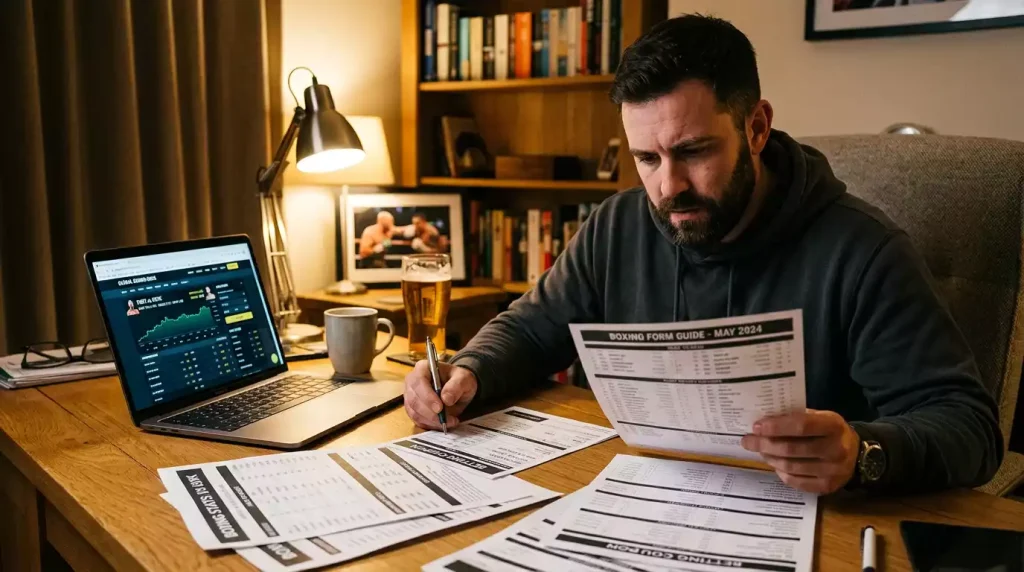
Underdog betting is not a volume game. You will go weeks without finding a bet that meets your criteria, and when you do find one, it will lose more often than it wins — that is the nature of backing longer prices. The profit comes from the wins paying enough to more than cover the losses over time. If you need the dopamine hit of frequent winners, underdog betting will frustrate you. If you can tolerate a 30% strike rate knowing that the returns on your winners are outsized, this is where the most durable edges in boxing betting live.
Articles

Prepared by the RINGWAGER editorial staff.
